Free Software PDF Readers
What would you think about a sign on the highway saying “You need a Toyota to drive on this road. Contact your Toyota dealer for a gratis test drive -- Your Government”? When it comes to software that opens PDF files, many public sector organisations do this every day.
With the pdfreaders.org campaign we have turned the spotlight on government organisations who behave in this way, exposing how frequent such advertisements for non-free software are. With the help of activists across Europe, we contacted these organisations and explained to them how to improve their websites so that they respect our freedom.
Why should we care?
Even when a certain software is given away for free, the company behind it can have an economic gain: promoting that software means prioritising a specific company. Public bodies should not promote any specific private company, instead they should promote equality and choice on the software market. That is why FSFE and its volunteers intervened to fix the problem.
This campaign was based on three core principles we support at FSFE:
- Neutrality - Public institutions should not engage in advertising
- Freedom - Public institutions should not ask citizens to use non-free Software
- Open Standards – The versions of the PDF format which are Open Standards can be implemented by all PDF readers
What did we achieve?
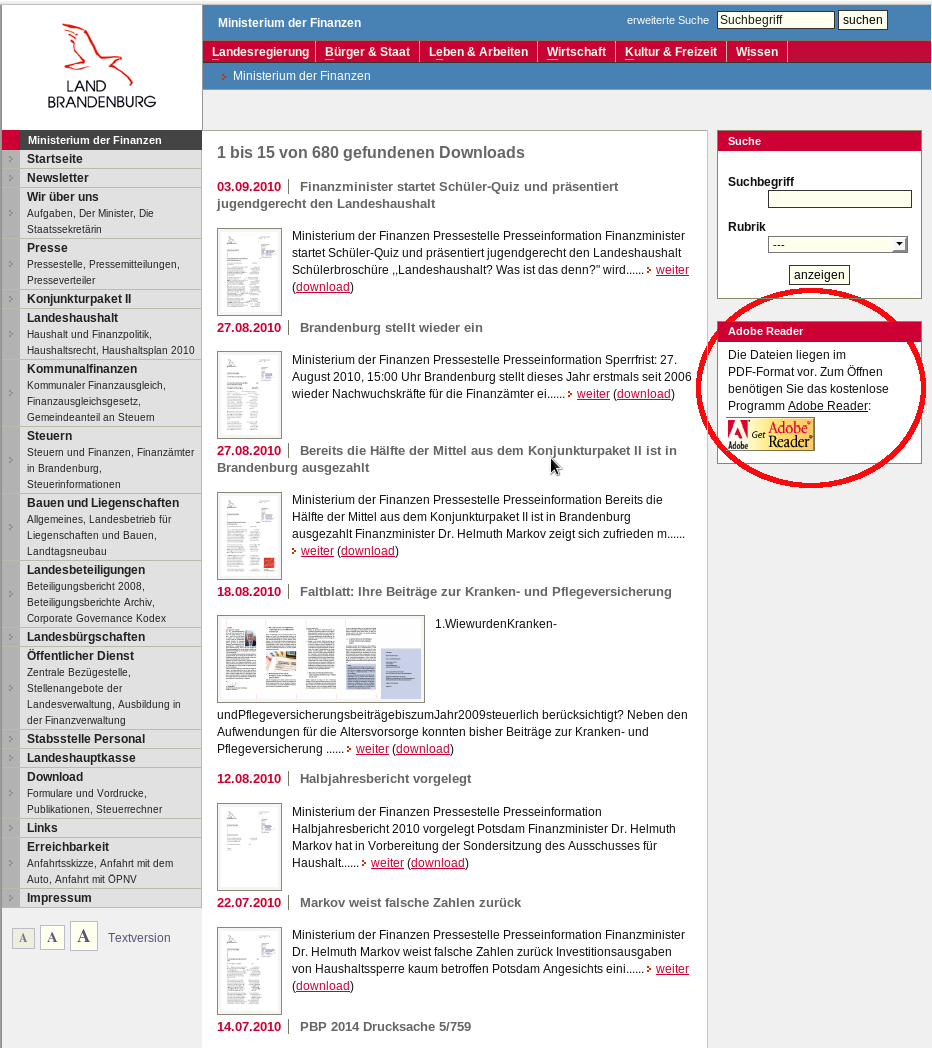
Every day, public institutions advertise non-free software on their websites. With the help of our Fellows and of hundreds other Free Software activists, we collected 2104 bug reports over the course of one month from every country in Europe, and also nine countries outside of Europe.
Next, the FSFE and its volunteers sent letters to all the public administrations on our list asking them to either remove their advertising for proprietary software, or to at least run equal advertising for Free Software, so that users of their websites realise that they have a choice. In response, we received a lot of positive feedback from the institutions thanking us for our letters.
Several years, and thousands of letters later, the FSFE has closed the campaign. Thanks to all the dedicated Free Software activists who helped contact institutions, we can proudly announce that we were able to remove advertisements for proprietary PDF readers in 1125 of the 2104 public administration websites (53%).
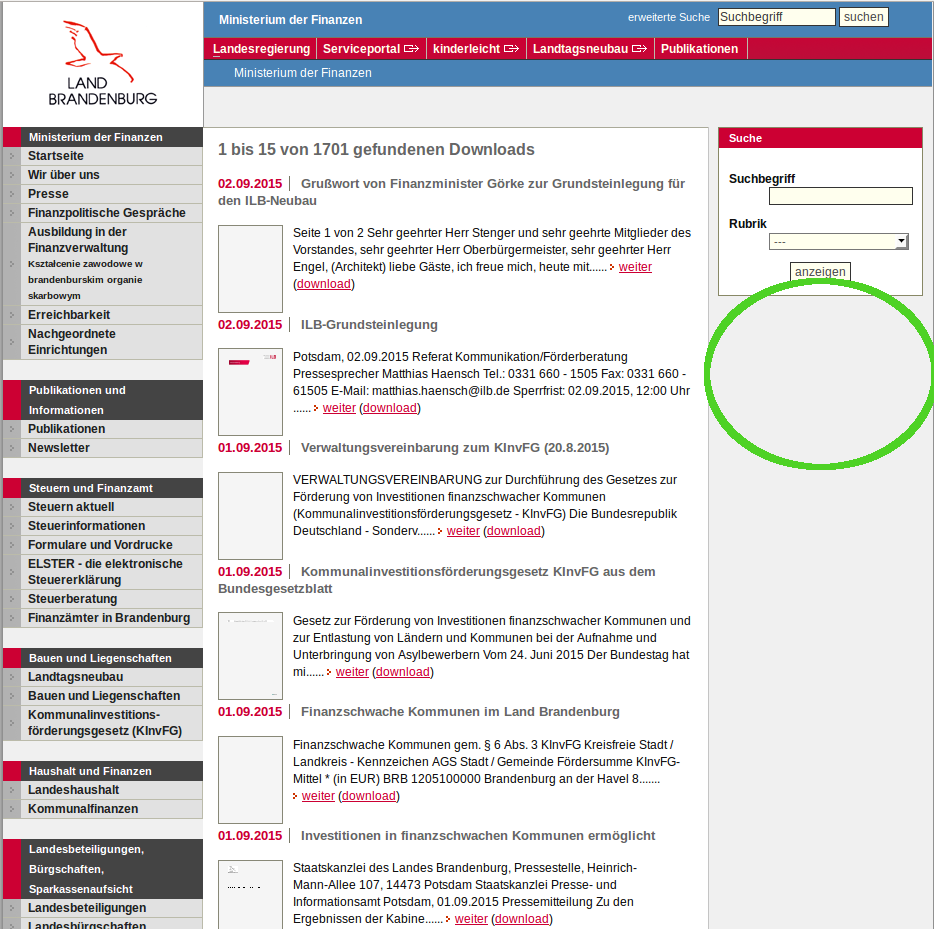
Furthermore, we were able to push for a change at both national and international levels.
- In Germany, national parties gave statements in favour of free PDF readers and the German Government itself has recommended the usage of our text snippet in their migration guide. FSFE's coordinator for Germany, Max Mehl, covers it in more detail on his blog.
- In the EU: the European Parliament directly asked the European Commission what were the reasons for advertising a specific software and which steps were taken to solve this problem.
- In 2011 one of our pdfreaders.org coordinators, Hannes Hauswedell, was in contact with Google, asking them to release the PDF reader included in their Chrome browser as Free Software. Finally, in May 2014 the pdfium sources were published openly, and while FSFE's inquiry might not have been the only reason they were released, it marks an important change for the widespread adoption of Free Software PDF readers.
In addition to contacting public institutions to resolve the issue, FSFE also collected signatures from 90 organisations, 63 businesses, and 2731 individuals who demanded equal access for Free Software PDF readers. This wide-ranging support also demonstrated the popularity of the campaign overall.
What's next?
The Free Software movement is, above all, supported by its community; we always need your help to continue to help promote free PDFreaders, and together we can make a difference for the future of Free Software! We encourage you to continue to use our template and send letters or emails to public bodies that are still advertising for proprietary software and closed standards. We also have a link for tips on how to follow up with the relevant institution. This is a great (and easy) activity for a local Free Software groups to spread Free Software knowledge in the public administration.