Actividades
Desde su fundación en 2001, la FSFE ha estado trabajando cada día para promover el Software Libre en Europa y más allá. Con nuestras actividades concretas, basadas en los tres pilares de nuestro trabajo, nos centramos en proteger y ampliar los derechos de los usuarios. Algunas de nuestras acciones duran muchos años, otras tienen objetivos a corto plazo, pero todas forman parte de nuestra misión: capacitar a los usuarios el control de la tecnología.
Otra parte importante de nuestro trabajo consiste en el compromiso continuo y el trabajo de fondo. Estamos presentes en decenas de conferencias al año, apoyamos y mantenemos una excelente comunidad y la dotamos de recursos útiles. Además, somos un punto de contacto de referencia para todas las preguntas y consultas sobre la libertad del software los derechos de los usuarios.
¿Dinero Público? ¡Código Público!
¿Por qué el software creado con el dinero de los contribuyentes no se publica como Software Libre? Queremos una legislación que exija que el software financiado con fondos públicos y desarrollado para el sector público se ponga a disposición del público bajo una licencia de Software Libre y de Código Abierto. Si se trata de dinero público, debería ser también código público. El código pagado por el ciudadano debe estar disponible para el ciudadano.
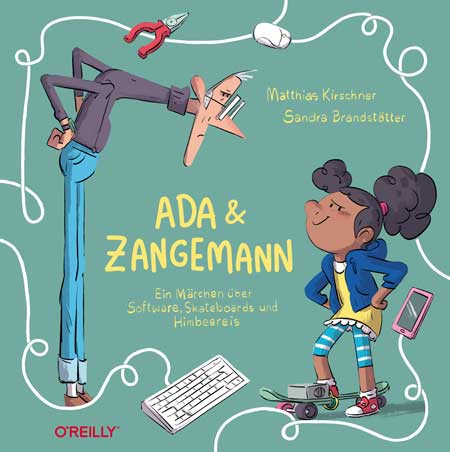
"Ada & Zangemann", libro y película
El libro ilustrado y película animada "Ada & Zangemann - Un cuento sobre Software, Monopatines y Helado de Frambuesa" de la FSFE, cuenta la historia del famoso inventor Zangemann y la niña Ada, una curiosa juguetona. Ada empieza a experimentar con hardware y software, y en el proceso se da cuenta de lo crucial que es para ella y para los demás controlar la tecnología.
Youth Hacking 4 Freedom
Young people, from all over Europe, compete in Youth Hacking 4 Freedom to win cash prizes by creating programs of their choice licensed as Free Software. The six winners will be invited to the Award ceremony weekend. Youth Hacking for Freedom inspires people to learn programming and to collaborate.
REUSE Software
The FSFE is running a project to make licensing easy for humans and machines alike. It solves a fundamental issue that Free Software licensing has at the very source: what license is a file licensed under, and who owns the copyright? REUSE provides easy recommendations in three steps that help users, developers and legal professionals.
I Love Free Software
We often underestimate the power of a simple Thank You. Free Software contributors do important work for our society and the "I Love Free Software Day" on 14 February is the perfect opportunity for you to express your special gratitude. Since 2010, we have celebrated this wonderful annual event with an ever-growing and diverse community. ♥ ♥ ♥
DMA: Litigio contra Apple
La FSFE interviene para proteger el Software Libre en un caso judicial clave que enfrenta a Apple y a la Comisión Europea. Apple está tratando de eludir las obligaciones derivadas de la Ley de Mercados Digitales (DMA). La FSFE busca que Apple rinda cuentas en virtud de la DMA de una manera que favorezca a los desarrolladores.
La Neutralidad del Dispositivo
A pesar de que hoy en día los dispositivos digitales están por todas partes, el número de dispositivos en los que los usuarios no pueden ejecutar Software Libre se está incrementando exponencialmente. La consecuencia es una pérdida de control cada vez mayor de los usuarios sobre la tecnología. La Neutralidad del Dispositivo tiene como objetivo permitir que los usuarios finales eludan a los guardianes del acceso para hacer un uso no discriminatorio del Software Libre en sus dispositivos.
Ley de los Mercados Digitales
La Neutralidad del Dispositivo es un concepto político que sirve para regular el monopolio sobre los dispositivos y restablecer el control del usuario final sobre sus equipos digitales. La Ley de los Mercados Digitales, o DMA por sus siglas en inglés, regula la actividad económica de las grandes plataformas digitales e introduce la Neutralidad del Dispositivo en la legislación de la UE, potenciando el acceso al Software Libre en los dispositivos.
FSFE 25
This year, the FSFE turns 25 and we celebrate it on the 18th and 19th of July in Kraków. In this activity you will find and overview of the agenda of the event, filled with talks, networking, and plenty of fun.
Router Freedom
Although we should be free to choose the technical devices we use in our private lives, some European Internet Service Providers are dictating which device their customers have to use to connect to the Internet, or discriminating against owners of alternative devices. This undermines our basic freedom of choice.
Libera tu Android
Android es un sistema operativo mayoritariamente libre, pero, lamentablemente, los controladores de la mayoría de los dispositivos y la mayoría de las aplicaciones de la tienda incorporada no son Software Libre. Esta iniciativa te ayuda a recuperar el control de tu dispositivo Android y de tus datos.
Next Generation Internet
The FSFE is a partner organisation of NGI, a coalition of non-profit organisations from across Europe. Funded by the EC, it provides grants to work on new ideas and technologies that contribute to the establishment of the Next Generation Internet. The FSFE provides legal support for these projects.
Licence Questions
The FSFE’s Licence Questions mailing list is our group of volunteers dedicated to provide help with Free Software licences and compliance. If you need advice on what Free Software licence you should use, or if you want to know more about what rights you have over a piece of Free Software, you can contact us.
Refund4Freedom
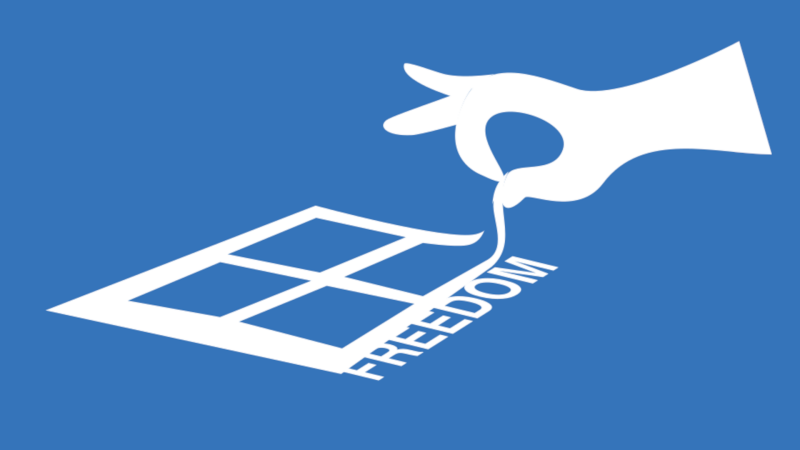
When acquiring a new laptop you often end up dealing with an imposed pre-installed Microsoft Windows operating system. This is unfair. The Refund4Freedom initiative guides users in how to get their money back in these cases and demands the end of this practice that limits user freedom.
Legal Network
The Legal Network is a neutral, non-partisan, group of experts involved in Free Software legal issues with currently several hundreds of participants from different legal systems, academic backgrounds and affiliations. The aim of the Legal Network is to promote discussion and foster better knowledge of the legal constructs that back Free Software.
Más actividades
Fiduciary Programme
The Fiduciary License Agreement (FLA) allows software projects to assign copyrights to a named fiduciary for its effective management. This allows developers to focus on development rather than spending time on legal administration. While the FSFE is no longer accepting new projects under the Fiduciary Programme, we continue to offer customisable versions of the FLA for your use.
Upcycling AndroidTerminado
Keep using your phone with Free Software. Upcycling Android explains the issue of software obsolescence in the Android world and helps people flashing their phones with Free Software operating systems.
20 años de la FSFETerminado
En 2021, la Free Software Foundation Europe cumple 20 años. A lo largo de este tiempo hemos empoderado a los usuarios para que pudieran usar, estudiar, compartir y mejorar el software. En 20 años de la FSFE, queremos dar las gracias a todos los que nos han ayudado en este camino. Aquí encontrarás entrevistas en las que se analiza la trayectoria de la FSFE, así como cuestiones tecnológicas. ¡Te invitamos a celebrarlo con nosotros!
Radio Lockdown DirectiveTerminado
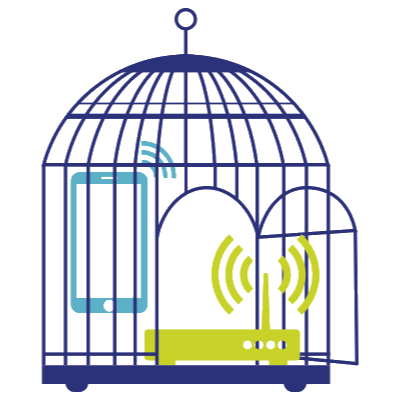
An EU regulation may make it impossible to install a custom piece of software on most radio devices like WiFi routers, smartphones, and embedded devices. It requires hardware manufacturers to implement a barrier that disallows users to install any software which has not been certified by them.
Actividades electorales
¿Cuál podría ser el mejor momento para preguntar a los políticos sobre su posición respecto al Software Libre y los Estándares Abiertos que en el período previo a unas elecciones? Creemos que podemos y deberíamos plantear estos asuntos en todas las elecciones, ya sean europeas, nacionales, regionales y locales. Dependiendo del sistema electoral y la cultura, empleamos distintas estrategias y herramientas.
Software Patents in Europe
We are working towards a world where software does what software users want it to do. For this, software users must be able to participate in the development and distribution of the software. Software patents block this goal by adding legal and financial risks to software development and distribution and by giving the patent holders legal power to completely prohibit software developers from using the patented ideas.

The ZOOOM InitiativeTerminado
The FSFE is part of these European consortium to promote and raise awareness about the importance of Free Software, Open Data, and Open Hardware among academia, business, industry, and innovation supporting organizations. As a big part of our work, we are promoting the REUSE specification as an important element for licensing compliance.

Learn like a pro
An initiative to bring Free Software in the education sector by increasing the digital sovereignty and competence of students and teachers. Created by the Zurich chapter, 'Lernen wie die Profis' was awarded the DINAcon Award. The activity is in German.
PDFreadersTerminado
The PDFreaders initiative aims to shine a spotlight on government organisations that promote proprietary PDF readers. With the help of activists across Europe, we have contacted these organisations and told them how they can improve their websites to respect our freedom. On pdfreaders.org we present Free Software PDF readers for all major operating systems.
DRM.info
DRM.info es una plataforma colaborativa iniciada y mantenida por la FSFE para informar sobre los peligros y preocupaciones de la Gestión Digital de Restricciones. Entre los colaboradores de DRM.info se encuentran organizaciones de libertad digital, de protección del consumidor, de activismo en internet y de bibliotecas.
Microsoft vs. EU Antitrust CaseTerminado
In 2001 the European Union started investigating Microsoft's dominant position in the market for desktop operating systems. The FSFE represented the interests of Free Software developer as a public interest organisation who cannot be bought off. Thanks to the excellent work by all involved parties, the case was won in all rulings up to the European Court of Justice in 2012.
FOSS4SMEsTerminado
FOSS4SMEs was a two-year collaborative Erasmus+ project to spread and increase knowledge about Free Software. The FSFE collaborate with the other partners to develop free online educational resources for managers and employees of small and medium-sized enterprises (SMEs).
Caso EURA EslovaquiaTerminado
La compañía eslovaca EURA afrontó multas de 5600 euros por no comprar y usar el sistema operativo Microsoft Windows para presentar declaraciones fiscales electrónicas. La administración tributaria eslovaca ofreció a EURA la opción de o bien comprar y usar Microsoft Windows o si no afrontar las multas. La FSFE asistió en este caso abogando por soluciones de plataformas neutrales para tales procedimientos. Desafortunadamente, el tribunal falló en contra del Software Libre y de los Estándares Abiertos, pero fuimos capaces de llamar la atención sobre estas irregularidades tanto en Eslovaquia como fuera de ella.
Unlock Education in the NetherlandsTerminado
This activity was specifically targeted at the Dutch education sector, with the aim of enabling citizens to have free access to education and public institutions, both online and offline. By promoting the mandatory use of Open Standards and platform-independent access to all materials, students and parents will be able fulfil their potential for personal growth and development without being dependent on a company.
Incumplimiento de la GPL por parte de AVMTerminado
¿Puede una compañía modificar software con licencia GPL en un dispositivo de terceros? El fabricante de routers AVM acusó a Cybits de infringir tanto los derechos de autor como de la marca comercial al modificar el firmware del router original, el cual está en gran medida basado en el núcleo de Linux. Junto con gpl-violations.org logramos convencer al tribunal de que los términos de la licencia GPL son vinculantes: el software bajo esta licencia puede modificarse e instalarse libremente, incluso en el caso de ser suministrado como parte del firmware de un dispositivo.
Internet Governance Forum (IGF)Terminado
The Internet Governance Forum (IGF) is a global policy discussion forum of the United Nations, established as an outcome of the UN World Summit on the Information Society (WSIS). FSFE followed the IGF to ensure that policy discussions will not endanger digital freedom in general and Free Software in particular.
SELFTerminado
The SELF project (Science, Education and Learning in Freedom) aimed at creating a repository of educational materials on Free Software and Open Standards. It did this by providing a platform for the collaborative development of educational materials, as well as by engaging in the development of educational materials that were missing in the field today.
MS-OOXMLTerminado
Since the beginning of the standardisation process for Microsoft's Office Open XML - OOXML (hereafter MS-OOXML), the FSFE has raised serious doubts about whether MS-OOXML can be considered open. FSFE was the first to raise the issue in the community, led the movement against the standardisation of MS-OOXML, and has been closely following developments over the years.
IPRED2Terminado
A second Intellectual Property Rights Enforcement Directive was proposed by the European Commission. It aims to criminalise all "intentional, commercial-scale" infringements and allow rights holders to participate in investigations. The FSFE pointed out to the EU institutions how such laws encourage abuse of the legal system and have a chilling effect on law-abiding activities.
GPLv3Terminado
El 29 de junio de 2007 se publicó la tercera versión de la General Public License (GPL) de GNU, marcando el final de un proceso de consulta pública de dieciocho meses. Durante este tiempo, la FSFE trabajó para divulgar los cambios propuestos para la licencia, ayudar a la comunidad a participar en el proceso de consulta pública y documentar la discusión con objeto de hacer el tema lo más accesible posible.
World Intellectual Property OrganizationTerminado
The World Intellectual Property Organization (WIPO), one of the 16 specialised agencies of the UN system, administers 23 international treaties dealing with various aspects of limited monopolies on knowledge. As an observer to WIPO, and together with a global coalition of other actors, the FSFE worked to transform WIPO into a "World Intellectual Wealth Organisation".
World Summit on the Information Society (WSIS)Terminado
The World Summit on the Information Society (WSIS) was a two-summit UN conference organised by the ITU to propose important cornerstones for the information and knowledge society. The FSFE participated with other civil societies to ensure that the principles of the digital age would protect digital freedom, knowledge sharing, access to information and Free Software.
Brave GNU WorldTerminado
La Brave GNU World fue una columna mensual publicada entre 1999 y 2004, dirigida tanto a lectores con conocimientos técnicos como a aquellos sin ellos. Su objetivo era ofrecer una visión general de los proyectos y avances actuales basados en la filosofía del Software Libre. The Brave GNU World se tradujo a nueve idiomas, lo que la convirtió probablemente en la columna mensual de mayor difusión del mundo.
GNU Business NetworkTerminado
The GNU Business Network had the vision to network all companies, developers and users in and around Free Software in a way that the potential synergies are encouraged and informed decisions become possible.
Classification of Free Software as a World Cultural HeritageTerminado
The goal was to have Free Software classified by UNESCO as an Intangible World Heritage and registered in the World Memory Register (another UNESCO project). The Free Software community and UNESCO share the same values of freedom, equality and fraternity. Such recognition would be a great boost for Free Software.
AGNULA: Una distribución GNU/Linux de audioTerminado
El proyecto AGNULA tenía como objetivo crear una distribución GNU/Linux totalmente funcional y basada íntegramente en Software Libre para usuarios profesionales del audio. Dirigido por figuras clave de la comunidad del sector del audio y financiado por la Comisión Europea, la FSFE participó en el proyecto como socio, encargándose de los aspectos legales y a largo plazo, y velando por que se tuvieran en cuenta los intereses de la comunidad del Software Libre.
EUCD - Extensiones de los derechos de autor que dañanTerminado
La Directiva Europea de Derechos de Autor (EUCD por sus siglas en inglés) fue la equivalente europea de la US Digital Millennium Copyright Act (DMCA). Estas leyes llevan a la creación de monopolios y carteles, y suponen serios obstáculos para la libertad de expresión y de prensa, al proporcionar medios para la censura digital. La FSFE ha estado involucrada de forma activa en la oposición a esta legislación perjudicial.
TUX&GNU@school columnTerminado
The TUX&GNU@school column was a regular column about Free Software in education written by by Mario Fux. It informed about educational Free Software, useful web sites on the topic and other interesting topics for teachers, students and all software freedom advocates.
We speak about Free SoftwareTerminado
Free Software is often referred to as "Open Source". But we are convinced that Free Software is the better term: easier to understand, harder to abuse, well-defined, providing additional value, and offering freedom. We connected companies, organisations and even co-founders of the Open Source movement that prefer to use the term Free Software.